| Key Points |
| Definition of Organic CBD: Grown without synthetic chemicals, adhering to USDA standards. |
| Definition of Non-Organic CBD: May involve chemical pesticides or synthetic fertilizers in production. |
| Purity and Safety: Importance of testing for both organic and non-organic products. |
| Nutritional Benefits: Organic CBD is considered a more natural product, free from toxins. |
| Cost: Organic options can be more expensive due to higher farming and certification costs. |
| Preference: Many consumers see organic as cleaner and better overall. |
| Environmental Impact: Organic farming supports healthier soil and less environmental degradation. |
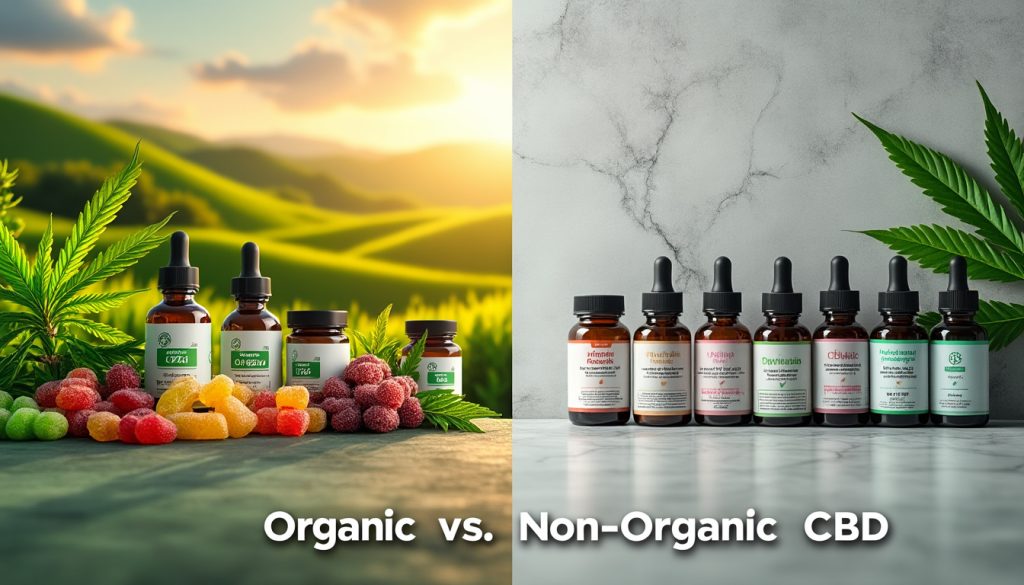
When evaluating organic vs. non-organic CBD products, several key differences stand out. Organic CBD oil is produced from hemp plants grown without the use of synthetic chemicals or pesticides, ensuring a product that is free from harmful toxins. These products must meet strict guidelines set by the USDA for certification. In contrast, non-organic CBD may contain residues from conventional farming practices, including the use of synthetic fertilizers and pesticides, which can impact both the environment and human health.
Moreover, organic farming practices contribute to healthier soil and sustainable cultivation methods, leading to a more natural product overall. While organic options typically come at a higher price due to the costs of farming and certification, many consumers prioritize quality and safety. Overall, choosing between these two options often hinges on the consumer’s values regarding health, sustainability, and environmental responsibility.
The growing popularity of CBD products has led to a surge in consumer interest regarding their origin and quality. One of the most significant distinctions in the market is between organic and non-organic CBD products. This article delves into the essential differences, benefits, and drawbacks of organic versus non-organic CBD oils, helping consumers make informed choices based on their health and wellness goals.
Understanding CBD: A Brief Overview
Cannabidiol, or CBD, is a compound found in the hemp plant, known for its potential therapeutic benefits without the psychoactive effects associated with THC. As a result, CBD has gained traction in various applications, including stress relief, pain management, and more. However, the methods of cultivation and processing can greatly influence the safety and efficacy of CBD products.
Defining Organic CBD
Organic CBD refers to CBD products derived from hemp plants grown without the use of synthetic pesticides, herbicides, or fertilizers. To qualify as organic, these products must adhere to strict guidelines established by reputable organizations, such as the USDA. Essentially, this certification guarantees that the product is produced in a manner that prioritizes both environmental sustainability and consumer health.
What Does Non-Organic CBD Mean?
Contrarily, non-organic CBD may be produced using synthetic chemicals, which can include fertilizers and pesticides that are harmful to both the environment and potentially the consumer. While non-organic CBD may be more widely available and less expensive, the quality and purity can vary significantly across brands.
Key Differences Between Organic and Non-Organic CBD
The differences between organic and non-organic CBD products extend beyond just farming practices. They can also encompass factors like manufacturing processes, overall quality, and consumer health impacts.
Benefits of Organic CBD Products
There are a variety of benefits associated with choosing organic CBD products. Below are some notable advantages:
Free from Toxins and Synthetic Chemicals
One of the primary benefits of organic CBD oil is that it is free from harmful chemicals and toxins. This offers a safer option for consumers, particularly those who prioritize natural remedies for health issues.
Environmental Impact
Organic farming practices often promote biodiversity and sustainability. By choosing organic CBD, consumers support environmentally friendly practices that protect soil health and reduce chemical runoff.
Higher Quality Control
Due to the stringent regulations surrounding organic certification, producers of organic CBD products are often subject to more rigorous quality control measures. This can lead to higher purity levels, making organic options more reliable for consumers concerned about contamination and effectiveness.
Advantages of Non-Organic CBD Products
Although organic CBD products have substantial benefits, non-organic options also present some advantages:
Affordability
Non-organic CBD products tend to be more affordable due to lower production costs and fewer regulatory hurdles. This accessibility can make CBD more attainable for consumers on a budget.
With a broader range of production methods, non-organic CBD products are often available in a more diverse array of forms, including various oils, edibles, and capsules.
Consumer Expectations and Experience
When evaluating CBD products, it’s crucial to consider how the organic or non-organic label aligns with consumer expectations and experiences. Many users report a stronger sense of wellness and satisfaction when using organic CBD, noting reduced side effects and improved efficacy.
Regardless of whether they are organic or non-organic, consumers should demand third-party lab testing for purity and safety. This testing can help verify the absence of harmful substances, thus enhancing consumer confidence in the product they select.
Price Considerations
The price difference is a significant factor that many consumers will weigh when deciding between organic and non-organic CBD oils. Organic options often have higher production costs associated with organic farming practices and rigorous certification processes.
Guidelines for Choosing High-Quality CBD Products
If you decide to explore CBD oils, understanding how to shop for high-quality products becomes essential. Prioritizing third-party testing, looking for clear labeling, and checking for certifications like USDA organic can guide your decision-making process.
For more insights, consider checking out this guide on how to choose high-quality CBD products.
In comparing organic versus non-organic CBD products, understanding the implications of both choices is vital. Whether you opt for organic due to its purity and environmental benefits or non-organic for its affordability and variety, being an informed consumer is key in navigating the vast landscape of CBD offerings.
When it comes to choosing between organic and non-organic CBD products, many consumers have strong opinions based on their personal experiences. One user shared, “I initially tried non-organic CBD oil, but I often experienced mild headaches. Switching to organic made a noticeable difference. I feel like I’m consuming something pure and natural.”
Another consumer noted, “I was skeptical about the price difference, but after researching, I understood that the certification process for organic CBD is rigorous. Knowing my product is free from pesticides and synthetic chemicals gives me peace of mind.”
A dedicated CBD user remarked, “I was hesitant about paying more for organic CBD oil, but the quality is undeniably better. I find it more effective for managing my anxiety, and knowing it’s chemically free makes it worth every penny.”
One person’s experience highlighted, “I tried both options to compare. While non-organic gave me some relief, the organic variety felt cleaner and more effective. If you value what goes into your body, organic is the way to go.”
Users often emphasize the importance of purity. One individual expressed, “I prefer organic CBD because it’s grown without harmful substances. I firmly believe that what I consume should be as natural as possible, especially with something like CBD, which affects the mind and body.”
Lastly, a consumer summed it up perfectly: “Choosing organic CBD isn’t just a trend for me; it’s a lifestyle. Knowing that my CBD is sourced and processed with care boosts my confidence in its benefits.”