Getting Started with CBD: Tips for First-Time Users
|
Starting your journey with CBD can be exciting yet overwhelming. For first-time users, it’s essential to begin with a low dose to gauge your body’s reaction. Experts recommend starting with just one or two drops of CBD oil and gradually increasing the dosage as needed. It’s crucial to keep track of how much you’re taking and any side effects you experience. Incorporating CBD into your daily routine can involve taking it morning and night, allowing you to observe its effects over time. Always consult with a healthcare professional before starting CBD, especially if you are taking other medications.
CBD, or cannabidiol, has become increasingly popular among individuals looking to explore its potential health benefits. For first-time users, navigating the world of CBD can be overwhelming. This article aims to provide clear guidance on getting started with CBD, including tips on dosage, methods of consumption, and what to expect. By simplifying complex concepts, new users can feel empowered to incorporate CBD into their wellness routines safely and effectively.
What is CBD?
CBD is a natural compound derived from the hemp plant, belonging to a class of compounds known as cannabinoids. Unlike THC (tetrahydrocannabinol), CBD does not produce a psychoactive effect. This characteristic makes it appealing to those interested in the potential therapeutic benefits without the high associated with cannabis. CBD interacts with the endocannabinoid system in the body, which plays a pivotal role in regulating numerous functions such as mood, sleep, and pain perception.
Understanding Different Forms of CBD
When considering CBD, it’s important to familiarize yourself with the various forms in which it is available. This knowledge will help you choose the product that fits best into your lifestyle.
CBD Oils and Tinctures
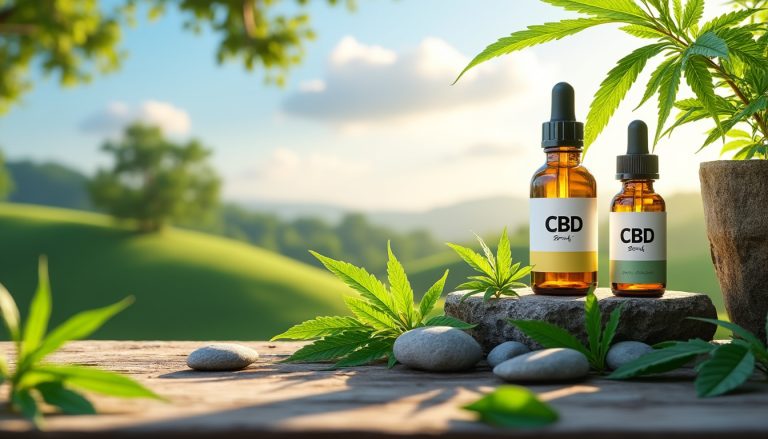
CBD oils and tinctures are liquid extracts that can be taken sublingually (under the tongue) for quick absorption. These products often come in small bottles with droppers, allowing for precise dosing. First-time users might start with one or two drops and gradually increase based on their body’s response. Many find this method convenient as it allows for easy adjustment in dosage.
CBD Edibles
Edibles, including gummies, capsules, and drinks, are another popular form of CBD. These products offer a tasty and discreet way to incorporate CBD into your routine. However, edibles can take longer to take effect compared to oils, as they must first be digested. Starting with a low dose, such as 10mg, is advisable, ensuring you can gauge its impact on your body.
Topicals
Topicals are applied directly to the skin and come in forms like creams, balms, and lotions. They are ideal for targeted relief, such as muscle soreness or skin conditions. Users need not worry about any psychoactive effects, making them a safe option for many. Those interested in skincare can explore additional information on the benefits of CBD in skincare here.
How to Determine the Right Dosage
Determining how much CBD to take can be complex, especially for new users. The best approach is to start low and gradually increase the dosage. Experts suggest beginning with a low dose of around 5-10mg and observing how your body reacts. Everyone’s body is different, and factors such as weight, metabolism, and individual health conditions can influence how CBD affects you.
Tracking Your Dosage
It’s helpful to keep a journal or log of your CBD intake and any effects you experience. This practice will allow you to adjust your dosage more accurately based on your observations. It is also advisable to consult with a healthcare provider before beginning any new supplement, especially if you are on other medications or have health concerns. Learn more about the interactions between CBD and medications here.
What to Expect When Taking CBD for the First Time
Many first-time CBD users have questions about what to expect from their experience. While individual outcomes may vary, understanding the common effects can help manage expectations. CBD is often well-tolerated, but some users may experience mild side effects such as fatigue, diarrhea, or changes in appetite. It’s essential to monitor how you feel after taking CBD and make adjustments as needed.
Incorporating CBD into Your Daily Routine
Integrating CBD into your daily wellness routine can be seamless. Many people find that taking CBD at the same time each day helps establish a consistent habit. Whether you prefer dosing in the morning or adding a dose to your bedtime routine, consistency is key. For additional guidance on how to incorporate CBD effectively, you may explore this article.
Exploring Potential Benefits of CBD
While research on CBD is still evolving, many individuals report a range of benefits from its use. Some common reasons people turn to CBD include stress relief, anxiety management, sleep improvement, and pain reduction. However, it’s crucial to note that CBD affects everyone differently, and what works for one person may not work for another. Ongoing research is delving into the potential of CBD for various conditions, including epilepsy. More about its efficacy can be read here.
Debunking Common Myths About CBD
Misinformation about CBD can cloud the understanding of its usage and benefits. A common myth is that CBD will get you high, which is not the case as it is non-psychoactive. It’s essential to distinguish between CBD and THC, particularly for those new to cannabis-derived products. Educating yourself about CBD’s characteristics can enhance confidence in your choices and consumption methods. For a comprehensive overview of CBD myths, refer to this guide.
The Future of CBD and Your Health Journey
The CBD industry is constantly evolving, with new research and products emerging regularly. As a first-time user, staying informed will help you make better choices regarding your health and wellness. While CBD shows promise for numerous benefits, it’s crucial to approach its usage mindfully and with appropriate care. Engaging with credible sources and keeping up with advancements in CBD research can offer you insight and clarity.
By understanding how to start using CBD and what to expect, you can effectively incorporate CBD into your health regimen. Remember to start low, track your responses, and consult with a healthcare professional if you have any concerns. This informed approach will ensure that you can enjoy the potential benefits of CBD while minimizing any risks.
As a first-time user of CBD, it can feel overwhelming with all the information available. Starting with a low dose is crucial for those new to this natural remedy. Many experts recommend beginning with a small amount, such as a couple of drops of CBD oil, to see how your body interacts with it. This gentle approach helps in understanding your unique tolerance without any adverse effects.
Users often share their initial experiences. One individual noted, “I took one drop of CBD oil before bed, and I was surprised by how relaxed I felt. It was so subtle yet effective.” This highlights the importance of patience; it’s vital to wait and observe how your body responds to the CBD before deciding to increase your dosage.
Another common suggestion for newcomers is to track your intake. Keeping a journal of how much CBD you consume and any changes you notice can be extremely beneficial. One user mentioned, “I started documenting my doses and any side effects I experienced. This helped me figure out the sweet spot for my body.” This method is not only practical but can also alleviate any concerns about overdosing.
It’s also recommended to incorporate CBD into a daily routine. Some users find success with doses taken twice a day; for instance, one user said, “I take my CBD in the morning and before bedtime, and it has made a noticeable difference in my sleep.” This consistency can help you gauge its effectiveness over time.
Finally, engaging with a healthcare professional can provide personalized advice, especially if you’re taking other medications. As one first-time user expressed, “Speaking with my doctor eased my apprehensions about using CBD alongside my current prescriptions.” It’s crucial to ensure that your CBD journey is safe and tailored to your specific health needs.