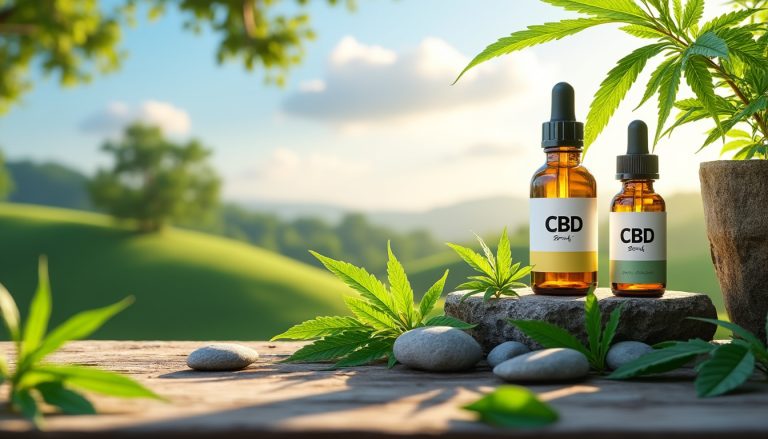
How to Understand CBD Labels and Product Claims
|
When navigating the world of CBD products, it’s essential to understand how to read the labels for informed decision-making. Start by checking the dosage of CBD indicated on the label, ensuring it meets your needs. Be wary of vague claims that can mislead consumers, as all products should comply with fundamental labeling requirements. This includes a comprehensive ingredient list, net weight, and serving size information. Furthermore, legitimate products typically provide a certificate of analysis (COA) that details the cannabinoid content and verifies safety through third-party testing. Recognizing true quality involves understanding these components, enabling you to differentiate between genuine products and potentially misleading claims in the CBD market.
Understanding CBD Labels and Product Claims
CBD products have gained immense popularity, leading consumers to explore their potential benefits. However, the variety of products available and the jargon associated with them can be overwhelming. Understanding CBD labels and product claims is crucial for making informed choices. This article breaks down the elements on CBD labels, explains regulatory requirements, and offers tips on how to assess product legitimacy and quality.
The Importance of Reading CBD Labels
Reading a CBD label is an essential skill for anyone considering the use of cannabidiol products. Labels on CBD products provide vital information regarding the contents and quality of the product. By familiarizing yourself with common terms and labels, you can distinguish between high-quality products and those that may not meet your needs.
Key Components of CBD Labels
To successfully navigate the information presented on a CBD label, it’s crucial to recognize the key components that should be included:
- Product Name: This indicates the specific type of CBD product, whether it’s an oil, tincture, or edibles.
- Ingredient List: All components of the product should be listed, allowing consumers to identify potential allergens or unwanted additives.
- Net Weight or Volume: This specifies the quantity of the product, ensuring consumers know how much they are purchasing.
- Serving Size: Details on serving sizes help users understand dosing and how long the product may last.
- Concentration of CBD: This shows how much CBD is contained in the product, typically expressed in milligrams per serving or per package.
- Third-Party Lab Testing Information: Results from independent laboratories can provide assurance of the product’s quality and purity.
Common Misleading Claims
While many brands strive for transparency, others may engage in misleading labeling practices. It’s essential to be wary of vague claims regarding the efficacy of the product. Phrases like “miracle cure” or “instant relief” can be red flags indicating that the product may not be scientifically backed.
Identifying Quality CBD Products
To ensure you’re purchasing a quality CBD product, look for products that provide a Certificate of Analysis (COA). A COA is a report from an independent lab that verifies the product’s contents and confirms that it is free from harmful substances. This certificate can often be found on the manufacturer’s website or requested directly from the retailer.
For more on how to evaluate CBD products through reviews, check this article on identifying quality CBD products.
Regulatory Standards for CBD Labels
As an emerging industry, CBD is still subject to evolving regulatory standards. It is vital to stay informed about the regulations surrounding CBD products to ensure that your choices comply with safety and quality measures.
Labeling Requirements
According to the current regulations, certain information must be included on CBD product labels. This includes, but is not limited to:
- Clear product labeling that adheres to the established guidelines by regulatory authorities.
- A comprehensive ingredient list that complies with transparency standards.
- Accurate statements regarding health benefits, avoiding unsupported claims.
For more detailed guides on CBD product labeling regulations, visit LegitScript.
Understanding CBD Product Claims
CBD products often come with a wide array of claims, which can sometimes be confusing to consumers. It’s essential to discern whether these claims are scientifically validated or merely marketing strategies.
Health Claims vs. Marketing Claims
While many producers may highlight the therapeutic effects of CBD, it’s essential to differentiate between health claims, which must have scientific backing, and marketing claims, which may be exaggerations. Understanding these distinctions can guide consumers to products that genuinely meet their needs.
The Role of Third-Party Testing
Third-party testing plays a crucial role in verifying the quality and authenticity of CBD products. This process ensures that consumers are purchasing safe, effective products.
Why is Third-Party Testing Important?
Products that undergo third-party testing are analyzed by independent laboratories. This provides unbiased proof of the product’s cannabinoid content and purity. Look for products that include a QR code linking to the lab results, ensuring transparency.
For more insights on the significance of third-party testing in the CBD industry, check out this article about understanding CBD labels.
What to Look for When Buying CBD Oil
When considering CBD oil, several factors should guide your decision, including the product’s extraction method, the source of hemp, and its potency. Taking these aspects into account can significantly enhance your consumer experience.
Choosing the Right CBD Oil for You
Before making a purchase, it’s crucial to assess your specific needs, including your health goals and preferences. Some CBD oils are formulated for specific effects, such as anxiety relief or sleep support. Review product specifications and consumers’ feedback to make the best choice.
For more information on choosing the right CBD product for you, visit this resource.
Beware of CBD Brands to Avoid
As with any industry, some CBD brands may not adhere to ethical practices or quality control. Familiarizing yourself with brands to avoid is essential in ensuring that you select a trustworthy product.
Identifying Trustworthy Brands
Trustworthy brands typically have transparent communication regarding their sourcing and testing processes. Look for testimonials, reviews, and any available certifications to assess potential brands.
For a detailed analysis of CBD brands, you can explore this article discussing brands to avoid.
Understanding CBD labels and product claims is critical for consumers navigating the burgeoning CBD market. Educating oneself about labeling standards, regulatory requirements, and product authenticity will empower consumers to make informed choices that align with their health and wellness goals.
Testimonials on How to Understand CBD Labels and Product Claims
When I first entered the world of CBD, I was overwhelmed by the multitude of products available and the confusing labels. I had no idea how to determine which products were legitimate and which were simply marketing gimmicks. However, after learning to break down the information on the CBD labels, I now feel much more confident in my purchases. Understanding terms like dosage and the importance of third-party testing made a significant difference for me.
One of the best tips I received was to look for a Certificate of Analysis (COA) on labels. It’s essential to verify that the product has been tested by an independent lab. This ensured that the product contained the amount of CBD stated and was free from harmful substances. Now, I always check for COAs before buying any CBD product, and it has really helped me choose quality products.
Before I started paying attention to ingredient lists, I often bought products that were filled with additives or ingredients I couldn’t pronounce. Now, I make it a habit to research every ingredient before purchasing. Knowing what to avoid has helped me significantly improve my overall experience with CBD. I feel much safer selecting products that align with my health needs.
I have also learned to be cautious of vague claims on product labels. At first, I was drawn to products that promised everything from pain relief to anxiety reduction without specifying any details. Now, I focus on products that provide clear information regarding their CBD concentration and any supporting ingredients. This clarity helps me make informed decisions, avoiding disappointment with effective products.
Finally, I discovered the importance of understanding the net weight and serving size indicated on the labels. This knowledge helped me better manage my usage and costs. I can now choose CBD products that fit my lifestyle and preferences effectively. Each purchase feels more calculated and beneficial to my overall wellness.