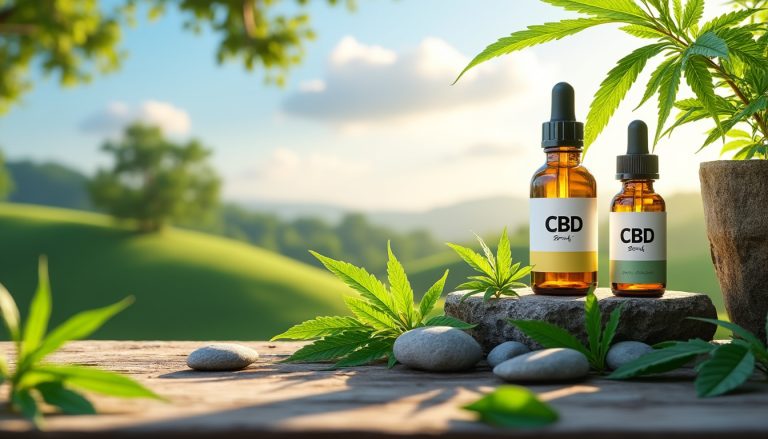
| The Future of CBD in the Health and Wellness Industry |
|
The future of CBD in the health and wellness industry is looking exceptionally promising as it continues to gain traction among consumers. With a projected annual growth rate of 24.6%, the CBD market is expected to reach approximately $43.8 billion in the coming years. The shift towards transparency and higher quality standards is redefining the sector, making it more mainstream. Products such as CBD topicals, oils, and beverages are increasingly popular, reflecting a growing consumer preference for natural solutions to health issues. Furthermore, the integration of CBD into traditional medicinal practices highlights its potential to revolutionize treatments. As evidence of its numerous health benefits, including anti-anxiety and anti-inflammatory properties, strengthens, CBD is set to play a vital role in promoting overall well-being.
The CBD market is poised for remarkable evolution within the health and wellness industry, gaining substantial momentum in recent years. Its increasing acceptance and integration into various wellness sectors highlight the growing public interest in the potential health benefits of cannabidiol. From skincare to dietary supplements, CBD is transforming how consumers view welfare and relaxation. This article explores the various trends and potential futures of CBD within the health and wellness sphere, emphasizing its transformative effects on beauty, nutrition, and mental health.
The Transformative Role of CBD in Beauty and Skincare
The integration of CBD into beauty products represents a significant evolution in the cosmetic industry. As consumers become more conscious of the ingredients in their products, transparency and quality have emerged as paramount factors influencing their purchasing decisions. CBD skincare and topical products are currently trending, offering potential anti-inflammatory and antioxidant benefits that appeal to a wide range of consumers.
According to recent insights, the US retail sales of CBD topical and skincare products were estimated at around $1 billion in 2019. This upward trajectory is anticipated to continue, with experts predicting a phenomenal growth rate for CBD in the beauty sector.
The Science Behind CBD in Skincare
Research suggests that CBD interacts with the skin’s endocannabinoid system, which plays a vital role in maintaining skin health. It is believed to offer solutions for various skin conditions, such as acne, eczema, and psoriasis. Furthermore, the anti-inflammatory properties of CBD can help alleviate redness and irritation, making it an alluring option for sensitive skin. As the demand for cleaner, safer, and more effective beauty products increases, expect to see more brands incorporating CBD into their formulations.
Emerging Beverage Trends Infused with CBD
The beverage industry is witnessing a remarkable infusion of CBD, with brands racing to create innovative products tailored to health-conscious consumers. From CBD-infused smoothies to sparkling waters and coffees, the options are abundant. The allure lies in the promise of relaxation and wellness, without altering the user’s cognitive state.
According to experts, the future of beverage brands incorporating CBD is bright (source). The shift towards alternative drinks enables brands to reach new consumer demographics, focusing particularly on the health and wellness niche. The push for transparency in sourcing and quality control will shape the market landscape, with consumers demanding detailed information about the origin and composition of CBD used in their beverages.
Controlled Consumption and Dosage
As CBD beverages gain popularity, there is an essential focus on the accurate dosing of CBD. Manufacturers must ensure that their products utilize the correct concentrations to provide benefits while also ensuring safety. This highlights the need for a rigorous evaluation of how CBD interacts with other ingredients in beverages, paving the way for future research and development in this sector.
CBD in Nutraceuticals: A Flourishing Opportunity
The rise of CBD nutraceuticals represents a significant growth area within the health and wellness market. This expanding category includes dietary supplements such as oils, capsules, and gummies designed to improve health and wellness. The market for CBD nutraceuticals is projected to reach USD 29.1 billion by 2030, driven by increasing consumer awareness of CBD’s potential benefits (source).
The combination of CBD with traditional herbal supplements—in a synergistic blend aiming at enhancing overall wellness—provides immense opportunities for brands to innovate and reach a broader audience. An insightful examination, such as recent trends in CBD consumer health, shows an eagerness among consumers to explore the benefits of CBD for various health concerns.
Addressing Potential Health Concerns
Despite CBD’s mainstream acceptance, potential consumers continue to harbor reservations regarding its safety and efficacy. Addressing these concerns will be crucial for the future acceptance of CBD in health products. Educational efforts surrounding the legality, safety, and effects of CBD must be prioritized. Comprehensive resources are available to clarify these aspects, such as guides on CBD’s efficacy and safety.
The Mental Health Landscape and CBD
The conversation surrounding mental health is evolving, and CBD is emerging as a potential natural alternative for anxiety and stress relief. Research indicates that CBD may have anxiolytic properties, helping manage symptoms of anxiety disorders. This has prompted many individuals to consider incorporating CBD into their daily wellness routines as part of a holistic approach to mental well-being.
As the stigma around mental health continues to decline, more people are open to exploring natural remedies, including CBD. The challenge however lies in ensuring that consumers are informed about the proper dosing and sought guidance on safe everyday use.
The Need for Rigorous Research
While anecdotal evidence has started to surface regarding the benefits of CBD for mental health, robust scientific studies are necessary to provide definitive conclusions. The industry awaits further research to solidify its claims, which in turn will shape the regulatory landscape around CBD products. Additionally, as the understanding of how CBD interacts with the body’s endocannabinoid system evolves, it will play a pivotal role in the future of mental health treatment options (source).
Future Regulatory Landscape for CBD
Regulation is a defining factor in the future of CBD products across multiple sectors. Since the legalization of hemp-derived CBD in many regions, there have been discussions around the need for stricter regulations. The complexity of the legal landscape presents challenges for businesses seeking to comply while ensuring consumer safety.
The ongoing transition from the margins to mainstream sales highlights a need for clear guidelines to govern the CBD industry. Stakeholders must work collaboratively to establish best practices and regulations that can support this burgeoning market while prioritizing public health.
Building Consumer Trust
Transparency and quality assurance will be vital in establishing consumer trust in CBD products. Brands that prioritize third-party testing and share their findings publicly are likely to gain a competitive edge. Creating an informed consumer base will encourage safe and responsible consumption, which is essential for sustained growth within the industry.
Conclusion: A Path Forward for CBD in Health and Wellness
As the future of CBD unfolds, the health and wellness industry stands on the brink of substantial transformation. With increasing demand, innovative product development, and a greater focus on consumer education, CBD’s role in health and wellness must be navigated carefully. Balancing regulatory frameworks, addressing safety concerns, and ensuring product integrity will contribute to a thriving future for CBD in the broader health and wellness landscape.
The health and wellness industry is witnessing a remarkable transformation, and at the forefront of this change is CBD. Consumers are increasingly drawn to the potential benefits of cannabidiol, seeking natural alternatives that promise to enhance their well-being. As this trend continues to grow, many are eager to share their experiences regarding the profound impact of CBD on their lives.
One user shared, “After trying various remedies for my chronic anxiety, I finally discovered CBD oil. It’s been a game-changer for me. Not only has it helped reduce my anxiety levels, but I also feel more relaxed during my day-to-day activities. The idea that such a natural product can be so effective is incredible.” This shift towards natural solutions is a reflection of a broader consumer demand for transparency and quality in health products.
Another individual remarked on the benefits they experienced with CBD-based skincare products, saying, “I was a bit skeptical at first, but after using CBD cream for my eczema, I noticed a significant improvement. My skin feels hydrated and less irritated. It’s reassuring to know that I’m using a product that taps into the natural therapeutic properties of CBD.” This highlights the growing popularity of CBD in beauty regimes and its alignment with holistic health practices.
As market analysis predicts a staggering growth in the CBD consumer health market, one expert stated, “The potential for CBD is enormous. We’re just scratching the surface. People are looking for anti-inflammatory solutions that don’t involve pharmaceuticals, and CBD offers that. The future looks bright for brands that prioritize quality and innovation.” Such insights signal an exciting time for both consumers and producers in exploring new CBD applications.
Furthermore, a health enthusiast noted, “The integration of CBD into traditional medicine practices is paving the way for a new era in health care. I’ve seen firsthand how it helps with pain management and improves quality of life for many of my friends and family. It’s encouraging to see that research is increasingly supporting this.” This underscores the role of scientific validation in shaping public perception and acceptance of CBD products.