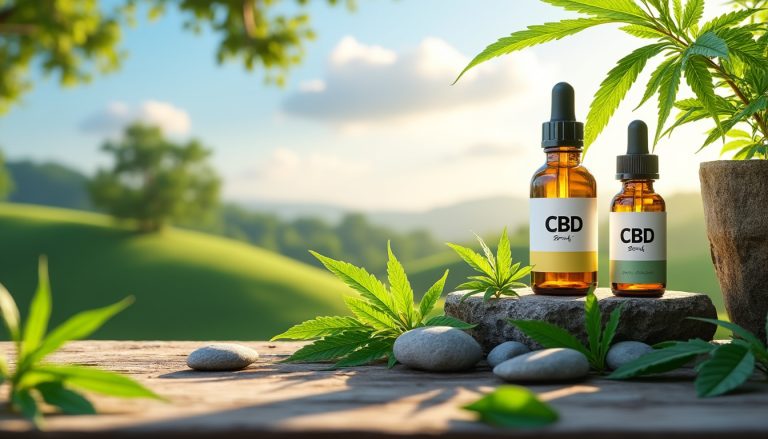
| The Intersection of CBD and Nutrition: What You Should Know |
|
The intersection of CBD and nutrition is a fascinating area worth exploring. CBD, or cannabidiol, is found in many food products, ranging from snacks to beverages, which allows consumers to incorporate it into their diets easily. Notably, scientific research has revealed that the benefits of CBD may extend beyond simple wellness. It can influence digestion, potentially aiding in the management of certain health conditions, although it can also lead to side effects such as digestive issues and altered liver function tests. Full extract cannabis oils, often used in microdose formulations, are being studied for their role in treating serious conditions like cancer. Furthermore, the entourage effect highlights the importance of various cannabis compounds working together for maximum effectiveness, similar to other superfoods like kale and green tea. Navigating the world of CBD products requires awareness of quality, dosage, and food interactions to ensure safe and beneficial consumption.
The relationship between CBD, or cannabidiol, and nutrition is an emerging field that offers exciting possibilities for health enthusiasts and curious newcomers alike. This article delves into the nutritional aspects of CBD, highlighting its potential benefits, understanding its interactions with food, and exploring how it can complement a healthy diet. With an emphasis on scientific findings and holistic practices, readers will gain insight into how to navigate this complex but fascinating intersection.
Understanding CBD and Its Nutritional Components
CBD, a non-psychoactive compound derived from the hemp plant, has gained immense popularity due to its purported health benefits. It is crucial to recognize that, while CBD is derived from a plant, it also possesses its own unique nutritional profile. According to research, CBD contains various cannabinoids and other vital elements that may support the body’s endocannabinoid system (ECS). The ECS plays a crucial role in maintaining homeostasis within the body, making it essential for overall health and well-being.
Even though CBD itself is not considered a traditional superfood, some studies suggest it can possess qualities similar to those found in foods we commonly categorize as nutrient-dense, like kale or cranberries. To read more about these parallels, consider checking this article.
The Nutritional Breakdown of CBD
A thorough investigation into the nutritional aspects of CBD reveals a range of constituents that may have health implications. According to studies from Baylor Scott & White Health, CBD comprises several vitamins, minerals, and other nutrients. These are crucial for supporting bodily functions, including anti-inflammatory responses, which can further benefit those dealing with chronic health issues.
However, it is essential to note that some individuals may experience side effects when introducing CBD into their diets, ranging from digestive issues to abnormal liver function tests. It emphasizes the importance of consulting healthcare professionals before integrating CBD into one’s wellness routine.
Healthy Eating with CBD: Bridging Dietary Gaps
CBD, found in various foods and beverages, from coffee to ice cream, offers a versatile approach to nutrition. Incorporating CBD-infused products into one’s diet may help bridge gaps in nutrition while providing additional benefits. For instance, CBD can be paired with high-antioxidant foods to amplify their health-promoting effects. Through mindful eating practices, individuals can maximize the benefits of both their diet and CBD.
For more on this holistic approach to nutrition, read this guide.
CBD and Its Interaction with Food
Understanding how food affects the absorption of CBD is vital for maximizing its potential benefits. Studies indicate that CBD bioavailability may increase when consumed with fatty foods, as they may enhance the absorption rate within the body. Therefore, incorporating healthy fats, like avocados or nuts, into meals could be a smart choice when consuming CBD. This collaboration highlights the importance of synergistic effects in nutrition, as the right combination of nutrients can optimize the health benefits one receives.
Integrating CBD into Your Diet: Considerations and Tips
While the prospect of integrating CBD into your diet is enticing, there are several factors to consider. First, it is crucial to select quality CBD products that undergo third-party testing for safety and efficacy. This testing ensures that the product contains what it claims and is free from harmful contaminants, establishing a foundation for informed consumption. For more on the importance of testing, visit this resource.
Additionally, understanding personal health needs is paramount. For seniors or individuals with specific conditions, the interaction between CBD and other medications should be monitored closely. It is advisable to consult healthcare providers who can provide personalized recommendations based on individual circumstances. Read about considerations for older adults in CBD use here.
Potential Benefits of CBD for Active Individuals
For athletes and those with active lifestyles, CBD has emerged as a potential enhancer of performance and recovery. Researchers have suggested that CBD can help manage inflammation and pain, making it a novel option for athletes seeking recovery solutions. According to findings detailed in a special report, CBD may influence how the body responds to challenging workouts, ultimately aiding in recovery and peak performance. To learn more about these benefits, check out this article.
Factors to Consider Before Using CBD
As with any supplement, there are guidelines to follow to ensure safe use of CBD. Here are a few strategies:
- Start with a low dose and gradually increase as needed.
- Monitor for potential side effects, such as gastrointestinal issues or changes in appetite.
- Avoid mixing CBD with other substances that may interact negatively.
Understanding the appropriate dosage and recognizing potential side effects are critical in the decision to incorporate CBD into one’s routine. Consulting relevant literature and professional guidance will provide insights into the proper practices for CBD consumption.
Understanding the Endocannabinoid System and CBD
To contextualize the effects of CBD, it is essential to understand the endocannabinoid system (ECS). This complex network helps regulate several bodily functions, including mood, appetite, and pain sensation. CBD interacts with the ECS to promote balance within the body, enhancing the effects of a well-rounded diet. Research into the ECS and its relationship with CBD is ongoing, shedding light on how nutrient intake may influence overall well-being.
The Future of CBD in Nutrition
As interest in both nutrition and CBD continues to grow, new research is likely to emerge exploring their intersection. Understanding how to integrate CBD thoughtfully into nutrition will become increasingly relevant, emphasizing the benefits of a holistic approach to health. For now, staying informed through reputable sources and scientific studies is key to making educated wellness choices.
While the journey of exploring CBD and nutrition reduces complexity, it becomes evident that the synergy can potentially enhance overall health when approached cautiously and knowledgeably. Now more than ever, individuals have the opportunity to take charge of their health by making informed decisions about the relationship between nutrition and CBD.
When exploring the connection between CBD and nutrition, it is essential to understand how these two fields can complement each other. Many individuals are turning to CBD products for their potential health benefits, including improved digestive health. However, some users report experiencing digestive issues as a common side effect. This highlights the importance of understanding how CBD interacts with different foods and the digestive system.
Research shows that CBD exists in a variety of nutritional items, from beverages like coffee and juices to snacks such as muffins, jelly beans, and even ice cream. As a compound derived from hemp, CBD is becoming increasingly popular in mainstream diets, and many are curious about its role in providing essential nutrients. The endocannabinoid system plays a significant role in how our bodies respond to CBD, making it vital to consider this aspect of nutritional health.
The rise of cannabis superfoods illustrates that the components found in the cannabis plant can mirror those in other known superfoods like kale and green tea. This creates an intriguing prospect for health enthusiasts looking to diversify their diets with nutritionally potent ingredients.
However, it’s not all straightforward, as CBD can have various interactions with medications, leading to abnormal liver function tests in some individuals. Awareness of these potential side effects is crucial for anyone considering integrating CBD into their dietary regimen.
Moreover, studies indicate that CBD may influence insulin and triglyceride responses during meals, which can affect overall metabolism and health. Understanding these interactions can empower individuals to make informed choices about their CBD consumption.
Additionally, the practice of mindful eating suggests that incorporating CBD into one’s diet can enhance the holistic approach to wellness. This introspective method can help individuals appreciate the connection between their food choices and the benefits of CBD, promoting a more balanced lifestyle.