| Understanding CBD Dosage: How Much Should You Take? |
|
Understanding CBD dosage can be challenging for newcomers. It is generally advisable to begin with a lower amount, typically between 10 to 20 mg daily, and adjust gradually based on individual tolerance. Most experts suggest starting around 20 to 40 mg per day, noting that the optimal dose varies greatly among users. For precise dosing, a common starting point is about 2.5 mg per kilogram of body weight, administered twice daily. Research shows that some individuals may find effective results with dosages ranging from 20 mg to 1,500 mg daily, depending on the intended use, such as anxiety relief or pain management. Understanding the right dosage is essential for maximizing the benefits of CBD while ensuring safety and efficacy.
Cannabidiol (CBD) has gained significant attention for its potential health benefits. However, many individuals are left wondering, “how much should I take?” The world of CBD dosage can be complex, with a variety of factors influencing the ideal amount for each person. This guide aims to simplify the understanding of CBD dosage, providing insights into how much you should take based on individual needs and factors such as weight, condition, and tolerance.
What Is CBD and Its Benefits?
CBD is a naturally occurring compound found in the cannabis plant. Unlike its cousin, THC, CBD does not produce psychoactive effects, making it a popular choice among those seeking relief from various ailments without the high. Research indicates that CBD may help with a range of conditions, including chronic pain, anxiety, and sleep disorders. Understanding how to effectively use this compound is essential for maximizing its benefits while ensuring safety.
Factors Influencing CBD Dosage
The appropriate CBD dosage varies from person to person due to several factors. These include body weight, the individual’s unique endocannabinoid system, the condition being treated, and the method of consumption. It’s important to highlight that there is no one-size-fits-all dosage.
Body Weight and Dosage
As a general guideline, the starting dosage of CBD is often calculated based on body weight. A common recommendation is approximately 2.5 mg of CBD for every kilogram of body weight, taken twice daily for a total of 5 mg per kilogram. This means that someone weighing 70 kg may start with a daily dosage of 175 mg, divided into two doses.
Individual Tolerance
Each person’s body reacts differently to CBD. Some individuals may find relief with lower doses, while others may require more to experience effects. It is wise to start with a lower dosage and gradually increase to find the optimal amount for your needs.
Condition Being Treated
The condition for which you are using CBD also impacts the dosage. For instances of anxiety or sleep issues, lower doses might be effective, often falling between 10 mg and 30 mg daily. However, chronic pain management may require higher doses, ranging anywhere from 50 mg to even as high as 1,500 mg per day, based on individual clinical responses.
Starting Your CBD Journey
For those new to CBD, the best practice is to start small. A dosage of around 10 to 20 mg daily is commonly recommended. This lower dose allows users to gauge how their body responds before incrementally increasing the amount. It is advisable to maintain this initial dose for a week to monitor tolerance and effects without overwhelming the body.
Calculating CBD Dosage
Calculating the precise amount of CBD consumed can be straightforward with the right information. For example, if you have a 10 ml bottle containing 1,000 mg of CBD, each milliliter (ml) contains 100 mg. Understanding the content per ml can help you measure your dosage accurately.
Cannabinoid Ratios
Certain individuals may benefit from a CBD:THC ratio depending on their symptoms. Some studies suggest that combining small amounts of THC with CBD can enhance therapeutic effects, making ratios like 1:10 or 1:1 worth exploring. As always, consult with a healthcare professional when considering THC usage.
Methods of CBD Consumption
The way in which CBD is consumed can also affect the dosage and onset of effects. Various methods include oils, tinctures, edibles, capsules, and topicals, each with different bioavailability. For instance, edibles generally take longer to take effect, whereas tinctures administered sublingually can offer quicker relief.
Oils and Tinctures
CBD oils and tinctures are popular due to their ease of use and precise dosage control. Users can take a few drops under the tongue for rapid absorption, allowing the effects to kick in within 15 to 45 minutes. The versatility available enables users to start with 10 mg and adjust as needed.
Edibles and Capsules
These are pre-measured for dosage convenience but can take longer for effects to be felt. Typical dosages for edibles and capsules might range from 5 mg to 25 mg. This slower onset can be beneficial for those seeking prolonged effects throughout the day.
Consulting with Professionals
It is always recommended to discuss CBD usage with a healthcare provider, especially for individuals taking other medications or those with particular health conditions. A professional can offer tailored advice based on your specific circumstances, ensuring a safe and effective experience.
Monitoring Effects and Adjusting Doses
After starting on a particular dosage, monitoring the effects is crucial. Keep a journal detailing how you feel—are you experiencing relief from your symptoms? Are there any adverse effects? Based on your observations, adjustments can be made. Sometimes, increasing slowly may be necessary to determine the most effective dose, especially in managing conditions like chronic pain or anxiety.
The Importance of Quality CBD Products
The efficacy of CBD largely depends on the quality of the product. When selecting a CBD oil or any other variant, look for products that list their cannabinoid content and have undergone third-party testing. This guarantees the absence of harmful chemicals and confirms the marketing claims regarding the amount of CBD in the product.
Full-Spectrum vs. Isolate
Understanding the difference between full-spectrum and CBD isolate is essential as well. Full-spectrum products contain a mixture of cannabinoids, including traces of THC, which may provide additional therapeutic effects through the “entourage effect.” Isolate, on the other hand, contains only CBD without any THC or additional cannabinoids.
How CBD Affects Specific Conditions
The dosage for each condition can vary significantly. For example, those struggling with chronic pain may require higher doses compared to those using CBD for sleep disorders. Understanding these distinctions can significantly aid in determining the right approach.
Common Misconceptions About CBD Dosage
Numerous myths surround CBD usage, primarily regarding its dosage. Many assume that “more is better,” which is not always the case. Taking excessively high amounts can lead to side effects such as drowsiness, digestive issues, and potential interactions with medications. Starting low and gradually increasing remains the safest approach.
Side Effects and Considerations
While CBD is generally well-tolerated, it’s important to be aware of possible side effects. These can include fatigue, changes in appetite, and nausea. Always consult with a healthcare provider when expanding your dosage, particularly if you experience any adverse effects.
General Guidelines for CBD Use
Here are some general guidelines to keep in mind:
- Start low: Begin with a low dosage and increase gradually.
- Allow time: Give your body time to respond before adjusting dosages.
- Record effects: Keeping a log can help determine what works best.
- Check quality: Ensure any products used are high-quality and third-party tested.
In summary, determining the right CBD dosage requires an understanding of the influencing factors such as body weight, condition, and personal tolerance. Starting with a smaller dose and gradually increasing until effects are achieved is the recommended procedure. For a personalized approach, always consult with health professionals to ensure safe and effective use of CBD.
For more information on CBD dosing and understanding the differences between various products, consider reading on CBD oil insight and exploring how CBD contrasts with THC.
For more specific dosage calculations or further reading, check out the resources available through Medical News Today, CNET Health, and Verywell Mind.
When it comes to determining the right dosage of CBD, many find the process daunting. Starting with a lower amount is often recommended. For beginners, a daily intake of 10 to 20 mg is a safe bet. This initial dosage allows individuals to gauge how their body reacts over the course of a week.
Another approach is to base the dosage on body weight. A common guideline suggests beginning at 2.5 mg per kilogram of weight, taken twice a day. This method personalizes the dosage according to individual requirements, ensuring it aligns better with one’s health needs.
While some studies have shown effective doses ranging from 20 to 1,500 mg per day, it is crucial to acknowledge that each person’s ideal dosage may differ significantly. Most newcomers report finding their sweet spot within the range of 10 to 40 mg using quality, full-spectrum CBD products.
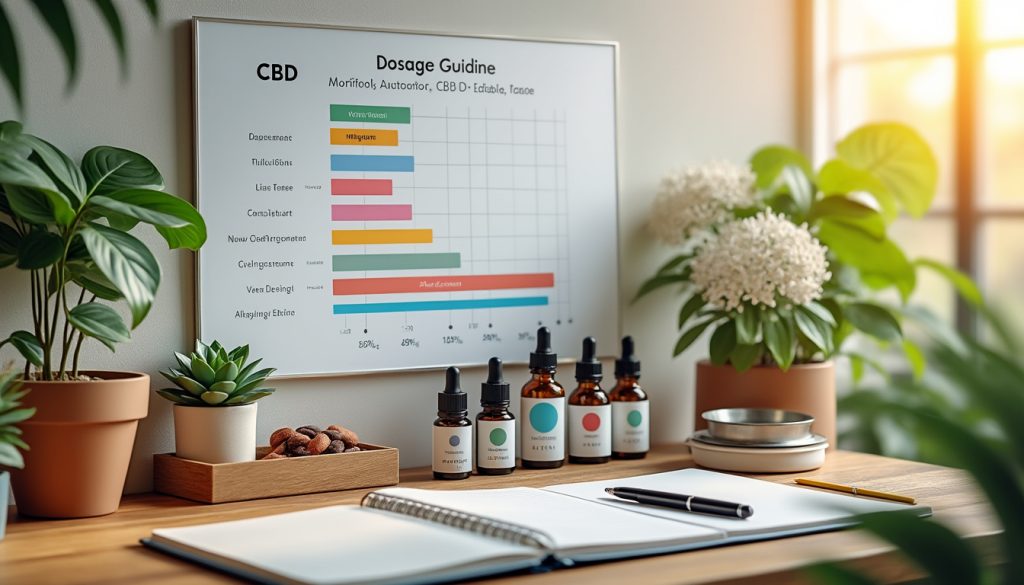
For those struggling with specific issues, like anxiety or sleep disorders, various dosage calculators and charts can facilitate the process. These tools provide tailored recommendations to help guide first-time users on their journey to effective CBD consumption.
As with any supplement, gradual increases in dosage can help individuals avoid potential side effects, while also allowing them to identify what works best for their body. Starting slow and observing the body’s responses can lead to optimal outcomes for each individual.